
NERC Orders DisCos to Channel More Revenue Into Grid Upgrades
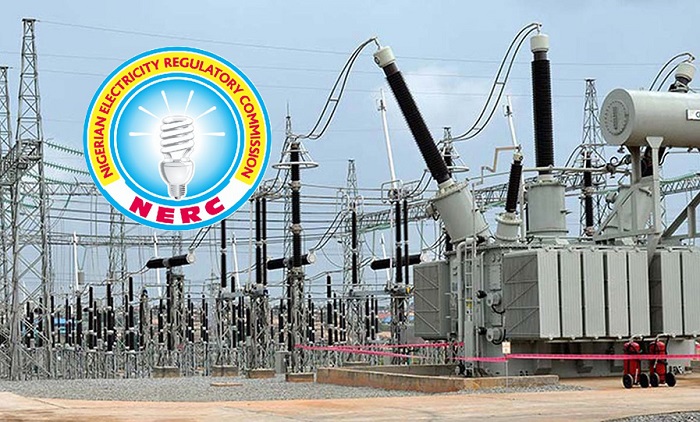
Nigeria’s electricity regulator is tightening how Distribution Companies (DisCos) can use part of the revenue they earn, with more funds now expected to go towards upgrading and expanding electricity distribution infrastructure.
The Nigerian Electricity Regulatory Commission (NERC) introduced the measure through Order NERC/2026/062A, which took effect on September 4, 2026. The revised order followed an open-book review of how DisCos utilised their earned Non-Administrative Operating Expenditure during the 2025 market cycle.
The review found that while many DisCos were still unable to recover enough revenue to meet their upstream market obligations, some had recovered revenue beyond those obligations.
NERC also noted improvements in areas such as reducing technical, commercial, and collection losses, which had allowed some DisCos to cover their administrative operating costs while recovering portions of other revenue requirements.
Under the new framework, DisCos without outstanding market debts must transfer 50% of their eligible earned Non-Admin OpEx into dedicated CapEx Provision Accounts between August 2026 and January 2027, while retaining the remaining 50% for operations.
From February 2027, the CapEx allocation will increase to 60%, leaving 40% for operational requirements. The funds must be used for approved projects under the DisCos’ Performance Improvement Plans and are subject to NERC monitoring and quarterly reporting.
DisCos with outstanding obligations to the Nigerian Bulk Electricity Trading Plc or the Market Operator will operate under a different allocation formula, with portions of their revenue directed towards settling those obligations alongside CapEx and operational needs.
NERC says the policy is aimed at accelerating feeder rehabilitation, strengthening distribution networks and improving electricity service reliability.
However, some DisCos have pushed back against the framework, arguing that tighter controls over their revenues could limit the financial flexibility of companies that have already invested in reducing losses, improving metering and increasing collection efficiency.