
Minister Tegbe Presents Nigeria’s power reforms as a blueprint for global energy security
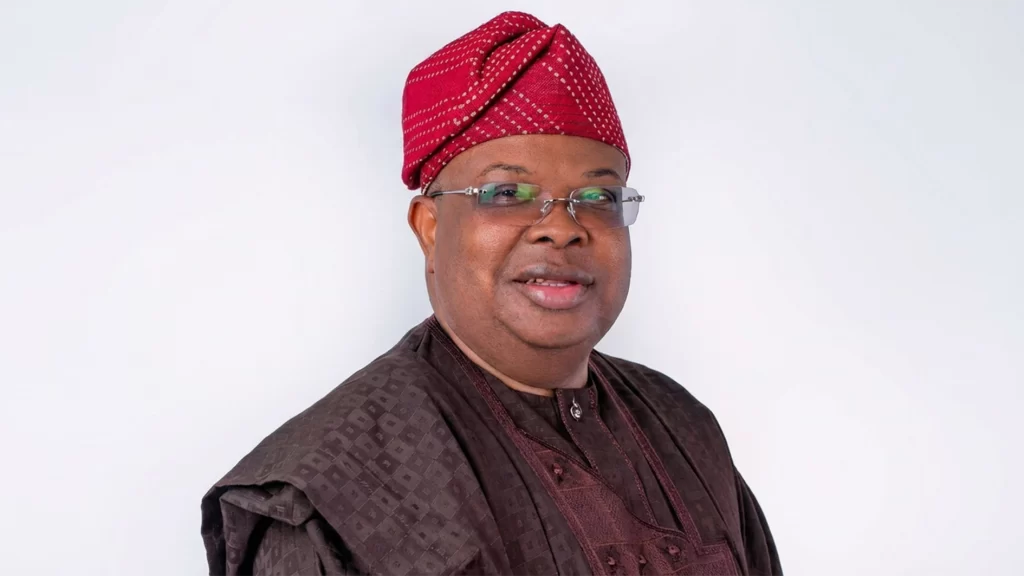
Nigeria is positioning its ongoing power sector reforms as a potential model for developing economies looking to strengthen energy security in an increasingly uncertain global environment.
Minister of Power Joseph Tegbe made the case at the opening plenary of the 50th Middle East Energy 2026 Leadership Summit in Dubai, where he spoke on “Energy Security and the Effect of Geopolitics.”
Tegbe argued that energy security can no longer be measured simply by how much oil or gas a country has. Instead, it increasingly depends on how resilient the entire energy system is — from electricity grids and critical mineral supply chains to financing, regulation and the institutions responsible for keeping power flowing during periods of disruption.
For Nigeria, the minister pointed to the Electricity Act 2023 as one of the major foundations of the current reform programme. The legislation opened the electricity market to greater state participation, creating a framework for the emergence of electricity markets across the country. Tegbe said the broader reform agenda is also aimed at creating the regulatory certainty needed to attract long-term investment into the sector.
That focus on certainty is important because building power infrastructure requires significant capital and long-term commitments. Investors need confidence that regulations, contracts and payment arrangements will remain predictable throughout the life of a project.
Tegbe also highlighted Nigeria’s position in the wider global energy system, including its more than 200 trillion cubic feet of proven gas reserves and its long-standing role as an LNG supplier to international markets. But his broader argument was that Africa’s importance goes beyond its fossil-fuel resources.
With about 600 million people across Africa still without access to electricity, the continent’s energy deficit is becoming an increasingly important global issue. Its natural resources, strong solar potential, growing population and rising energy demand could make Africa a major part of the world’s future energy conversation.
For Nigeria, that presents both a challenge and an opportunity. The country has to move beyond simply producing energy resources and focus on building the infrastructure, institutions and investment environment needed to turn those resources into reliable electricity.
That means strengthening transmission and distribution networks, expanding generation, developing renewable energy, improving access to finance and creating stronger local capacity across the energy value chain.
Tegbe’s message in Dubai ultimately reflects a bigger shift in how energy security is being viewed. Having resources underground is one thing; having a system capable of consistently delivering affordable and reliable energy is another.
If Nigeria’s reforms can successfully translate into stronger infrastructure, greater investment and more dependable electricity for homes and businesses, the country could have more than a reform story to share with the rest of the world. It could have a practical example of how developing economies can build greater energy security from the ground up.