
IEA Chief Targets Doubling Nigeria’s Energy Investment Within Five Years
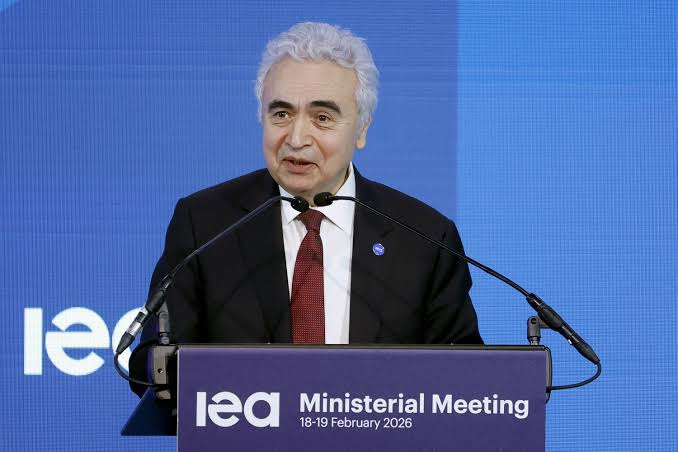
Nigeria could double investment in its energy sector within the next five years, according to International Energy Agency (IEA) Executive Director Fatih Birol, who sees the country’s new relationship with the agency as an opportunity to attract more capital and strengthen its position in global energy markets.
Speaking during a visit to Abuja, Birol said Nigeria’s recent admission as an IEA associate country could help deepen technical cooperation, improve investor confidence and give the country a stronger voice in international energy discussions. His ambition is to see energy investment in Nigeria at least double from current levels within five years.
For Nigeria, the opportunity cuts across oil and gas as well as renewable energy, particularly solar. The country has significant energy resources, but unlocking them requires substantial investment in infrastructure, technology and projects that can deliver energy reliably.
Birol highlighted one factor that could determine whether that investment actually comes: Trust.
As global energy markets face increasing disruption from geopolitical tensions and changes in major supply routes, countries and investors are becoming more careful about who they partner with. For Nigeria, improving the predictability of its energy market could therefore be just as important as the resources it already has.
This is where the IEA partnership could become significant. Nigeria and the agency are expected to develop a joint work programme covering areas such as natural gas, electrification, clean cooking, energy efficiency and energy data. Better and more reliable energy data could also help investors make more informed decisions about the Nigerian market.
Nigeria is also pursuing wider reforms aimed at increasing production and attracting capital. The country wants to raise crude oil output to around 3 million barrels per day by 2030, while improvements to infrastructure and security are expected to support the sector.
But the bigger opportunity goes beyond producing more crude. Nigeria needs investment across the entire energy value chain from gas processing and electricity infrastructure to solar projects, energy storage, efficiency and access.
The IEA’s relationship with Nigeria comes at a time when energy security is becoming a bigger global priority. The agency has increasingly broadened its focus beyond oil to include electricity, natural gas, renewables and critical minerals.
If Nigeria can combine its resource base with stronger institutions, better data, clearer rules and bankable energy projects, the country could become a more attractive destination for long-term energy investment.
Doubling investment in five years is an ambitious target. But the real test will not be the amount of capital announced it will be whether that investment translates into more reliable electricity, stronger infrastructure, expanded energy access and a more productive energy sector for Nigerians.