
Global Electrification to Drive Renewable Power to 78% by 2035
The global energy system may need to move much faster towards renewable electricity as countries increase their use of electricity across buildings, transport and industry, according to the International Renewable Energy Agency (IRENA).
Under IRENA’s revised 1.5°C scenario, electricity’s share of global final energy consumption would need to rise from 23% today to 35% by 2035 and above 50% by 2050. For that shift to happen, renewables would need to account for about 78% of global electricity generation by 2035.
The scale of the required change is significant. Renewables accounted for 31.7% of global electricity generation in 2024, producing 9,836 terawatt-hours. IRENA’s projection would therefore require the renewable share to rise to roughly 2.5 times its 2024 level within the next decade.
The push is being driven by growing electrification across major parts of the economy.
IRENA projects that buildings could reach 55% electrification by 2035, supported by technologies such as heat pumps, electric cooking and cooling. Industry could reach about 35%, while transport’s share of electrification could increase from around 1% to 15%.
But producing more renewable electricity is only part of the challenge.
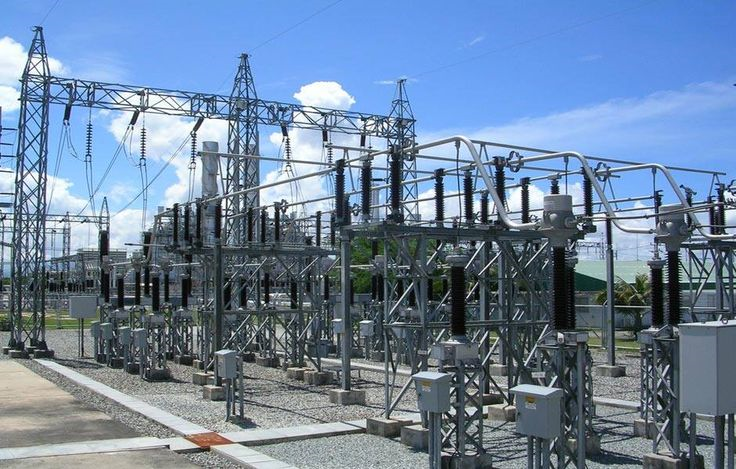
Grid infrastructure is becoming a major bottleneck. IRENA estimates that around 2,500 GW of projects worldwide are awaiting grid connections, highlighting the need for more investment in transmission, distribution, storage, and system flexibility.
The agency says annual investment in grids and flexibility would need to more than double from about $500 billion in 2025 to around $1 trillion through 2035, before increasing further thereafter.