
FG targets 6,500MW by December and 8,000MW by end of 2027
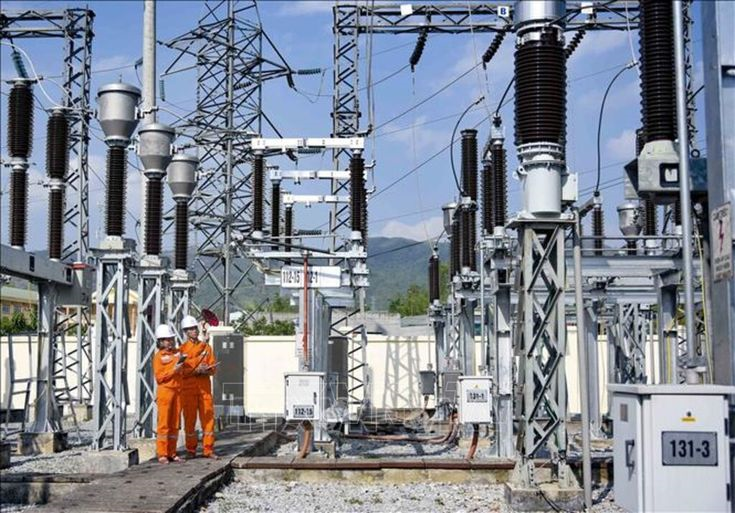
The Federal Government is targeting 6,500 megawatts (MW) of electricity by the end of 2026, with plans to increase that figure to 8,000MW by the end of 2027 as it pushes to improve electricity supply across Nigeria.
Minister of Power Joseph Tegbe announced the targets on August 26 during the launch of the Renewable Energy Assets Management Company (RAMCO) in Abuja.
Nigeria currently struggles to wheel around 5,000MW, meaning the country faces challenges not only with generating electricity but also with moving available power through the national grid. Tegbe said the government wants to increase the amount being wheeled to 6,500MW by December and 8,000MW by the end of next year.
The government is also looking at a broader electricity system that combines the national grid with embedded generation, mini-grids, distributed renewable energy, and energy-storage systems. Mini-grids are expected to play a bigger role in communities where extending transmission infrastructure is difficult.
Having generation capacity is not enough if the electricity cannot be reliably transmitted and distributed to consumers. Nigeria’s power challenge therefore extends beyond producing more megawatts; the infrastructure connecting generation to homes, businesses, and industries matters just as much.
There is also a growing need to rethink how electricity is supplied. A combination of grid power, renewable energy, storage, and decentralised systems could help provide more reliable electricity, particularly in areas where the national grid remains limited.
The bigger opportunity is in building the infrastructure around the electricity that Nigeria wants to generate.
From modern transmission networks and substations to solar mini-grids, battery storage, and distributed energy systems, the next phase of Nigeria’s power sector will require investment across the entire energy value chain.
If the government achieves its targets, moving from roughly 5,000MW today to 8,000MW by the end of 2027 would represent a major increase in the country’s ability to move electricity.
But the real measure of success won’t simply be the number on the grid.
It will be how much reliable electricity Nigerians can actually use.