
FG, NEDC Plan Deployment of 10,330 Electric Vehicles Across North-East
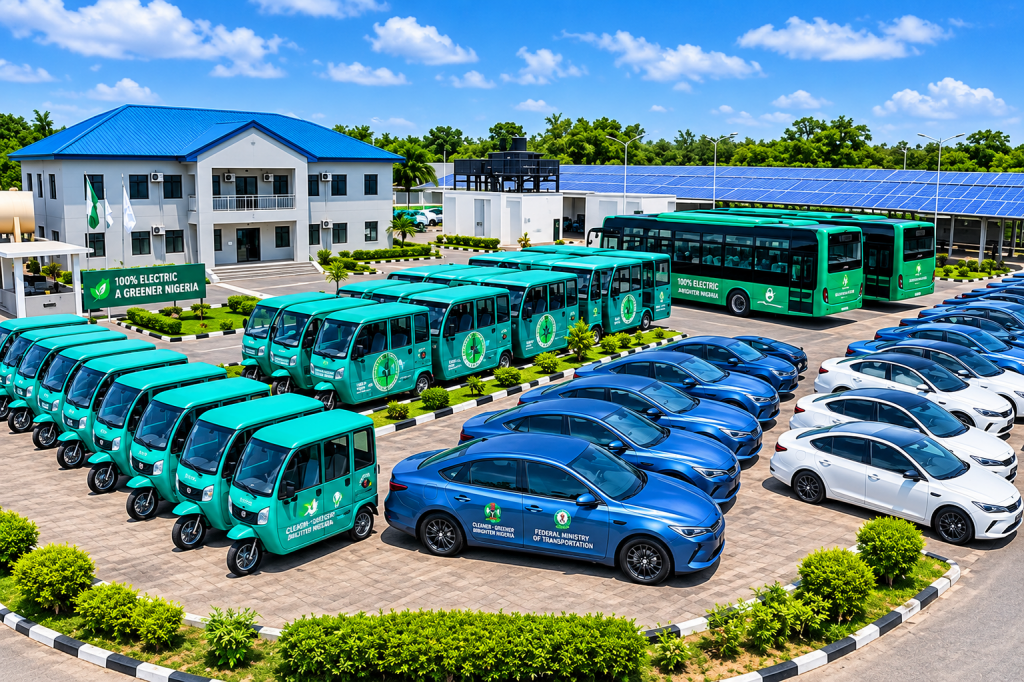
The Federal Government, through the North-East Development Commission (NEDC), is preparing to deploy 10,330 electric vehicles across the six states of the North-East as part of efforts to reduce transportation costs, create jobs and expand access to affordable mobility.
The initiative, being implemented in partnership with Attahir Enterprises Nigeria Limited, will comprise 10,000 electric tricycles, 300 electric taxis and 30 electric buses. The vehicles are expected to serve both rural and urban communities, providing alternative transportation options for residents and commercial operators.
Under the proposed arrangement, electric tricycles will primarily serve rural communities and local government areas, while the electric taxis and buses will support transportation within metropolitan centres. The programme is expected to cover Adamawa, Bauchi, Borno, Gombe, Taraba and Yobe states.
Speaking at a stakeholders’ engagement and sensitisation workshop in Maiduguri, Borno State, the programme’s consultant, Umar Abatcha, said the initiative was designed to address transportation difficulties across the region, particularly amid rising petrol costs.
He explained that the electric vehicles could travel up to 300 kilometres on a full charge. Each electric tricycle is also expected to come with two charging units, allowing operators to recharge their vehicles at home. Meanwhile, three charging points are planned to support the operation of the electric taxis and buses.
Ahead of the deployment, the NEDC has commenced training and sensitisation programmes for automobile technicians, transport operators and other relevant stakeholders. The workshop brought together mechanics, members of road transport associations, police officers and officials of the Federal Road Safety Corps.
The training is intended to familiarise participants with electric vehicle operations, charging requirements, safety procedures and maintenance. According to Abatcha, additional training will be organised for beneficiaries to ensure they can operate and maintain the vehicles properly.
The initiative is expected to benefit several groups across the region. Commercial tricycle operators and urban transport businesses are among the intended beneficiaries, while residents in rural communities could gain improved access to markets, workplaces and essential services.
Automobile technicians and mechanics are also expected to benefit through opportunities to develop skills in electric vehicle servicing and repairs. Young people could find employment across vehicle operations, maintenance, charging infrastructure and other activities within the emerging electric mobility value chain.
The Secretary of the Road Transport Employers Association of Nigeria (RTEAN), Borno State chapter, Adamu Bulama, welcomed the engagement with transport associations and pledged to share the knowledge acquired during the workshop with other members. He also noted that beneficiaries would receive manuals to guide them in operating the vehicles.
However, the final distribution arrangements are yet to be fully disclosed. The commission is expected to hand over the vehicles to the respective state governments for distribution, while the selection criteria and individual allocation process remain under consideration following consultations with stakeholders.
Transport associations have called for transparent selection procedures and greater involvement of recognised unions to ensure that the vehicles reach genuine commercial operators.
Beyond providing alternative transportation, the planned deployment could open up opportunities for small businesses involved in vehicle repairs, battery servicing, spare-parts supply, charging infrastructure and technical training.