
Dangote’s Ship-Fuel Exports Fall as Global Prices Surge 76% Amid Supply Squeeze
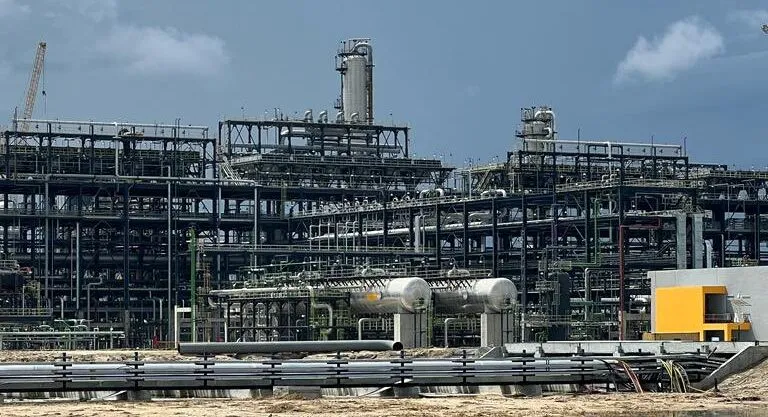
The global market for ship fuel is tightening, and Nigeria’s Dangote Refinery is among the refineries adjusting its output as demand for more profitable petroleum products rises.
According to Reuters, fuel-oil supplies are expected to fall into a deficit of about 218,000 barrels per day in the third quarter of 2026, compared with just 6,000 barrels per day a year earlier. At the same time, prices for very-low-sulphur fuel oil (VLSFO), one of the main fuels used by ships, have jumped 76% since the Iran conflict began, reaching almost $825 per tonne in Singapore.
Dangote Refinery has also seen its fuel-oil exports decline as it increases shipments of products such as petrol, diesel and jet fuel. The shift reflects a wider trend among refiners, which are prioritising products that currently offer stronger returns as geopolitical disruptions put pressure on global energy markets.
The squeeze is being driven by several factors at once. Conflict-related disruptions have affected refinery operations and tanker movements, while lower exports from major producing regions have further tightened supply. Fuel-oil inventories at major trading hubs are also significantly below seasonal levels.
For the shipping industry, this matters because bunker fuel is a major operating cost. When marine fuel becomes more expensive, the additional cost can eventually find its way into freight rates and the wider cost of moving goods around the world.
For Nigeria, however, the story highlights something bigger. Dangote Refinery is increasingly operating as an important participant in international refined-product markets, rather than simply serving domestic fuel demand. Earlier this year, Nigeria’s seaborne petroleum-product exports rose sharply, with Dangote’s increased production contributing to a major expansion in the country’s refined-fuel trade.
The refinery’s changing export mix also shows how quickly global energy disruptions can influence what refineries produce and where those products are sent. When diesel, petrol and jet fuel become more valuable, refining capacity can be redirected towards meeting those markets.
That flexibility could become increasingly important as geopolitical tensions continue to reshape global energy trade.
For Nigeria, the opportunity is not only about having a large refinery. It is about building enough refining, storage, transportation and export infrastructure to turn that capacity into a reliable position in global energy markets.
As the world faces another period of energy uncertainty, Dangote’s shifting export strategy offers a glimpse into how Nigeria’s growing refining capacity could influence markets far beyond its borders.