
Dangote Sinotruk Unveils Nigeria’s First Locally Assembled Electric Heavy-Duty Truck
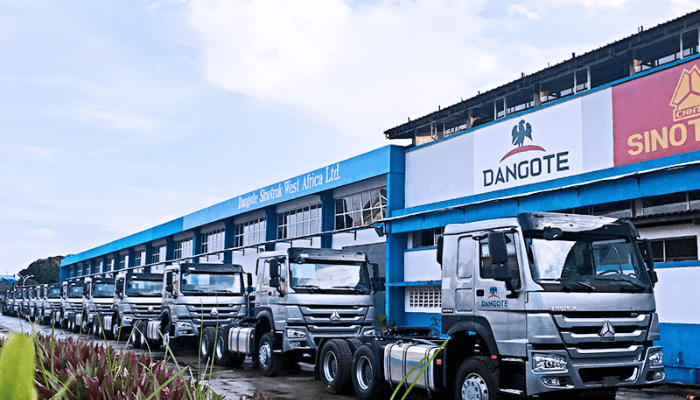
Dangote Sinotruk West Africa Limited has rolled out Nigeria’s first locally assembled electric heavy-duty truck, bringing next-generation electric mobility to Nigeria’s roads.
The company unveiled the vehicle on November 15, 2026, at its assembly facility in Ikeja, Lagos. The development expands the Dangote-Sinotruk joint venture into new-energy mobility, adding electric heavy-duty trucks to its existing range of trucks, tippers, light trucks, pickups, and buses.
Speaking at the unveiling, Devakumar Edwin, Group Vice-President of Dangote Industries Limited, described the introduction of electric commercial vehicles as another milestone for the partnership. He said the move reflects the company’s interest in adopting emerging technologies while supporting Nigeria’s environmental objectives.
Edwin noted that electric commercial vehicles have the potential to reduce operating costs and tailpipe emissions. However, he explained that the benefits will depend on how the vehicles are used, the cost of electricity and the availability of charging infrastructure.
He also acknowledged that introducing electric trucks into Nigeria’s transport sector will require more than assembling the vehicles. Reliable charging facilities, technical expertise, spare parts and after-sales support will be necessary to ensure they can operate effectively. According to him, the company is preparing its technical support team and plans to work with customers, government stakeholders and business partners to support the development of the electric vehicle ecosystem.
The launch also highlights the growing manufacturing relationship between Dangote Group and China’s Sinotruk. The partnership began in 2010 and was formally established as a joint venture in 2014. Its first heavy-duty truck rolled off the assembly line in 2017, while a commercial vehicle welding and e-coating paint line became operational in 2024. Sinotruk Group President Liu Wei disclosed that the joint venture has assembled more than 8,000 vehicles locally.
Liu described the electric truck rollout as an important step for Nigeria and West Africa, particularly in expanding local manufacturing and introducing cleaner technologies into commercial transportation. He also said Sinotruk would continue supporting the development of Nigerian engineers and technicians through training and technology-transfer programmes, including opportunities for selected personnel to receive practical training at its facilities in China.
The Lagos State Government also welcomed the development, highlighting its potential to support cleaner transportation, create employment and strengthen local technical capacity. The government’s representative at the event described the rollout as an indication that Nigeria could participate more actively in the global transition towards electric mobility.
For Nigeria’s logistics, construction and transportation industries, electric heavy-duty trucks could offer another option for moving goods and supporting commercial operations. However, their wider adoption will depend on the availability of charging infrastructure, reliable electricity, maintenance support and the overall cost of operating the vehicles.
The introduction of the truck is therefore an important manufacturing milestone, but its long-term impact will be determined by how successfully the technology can be deployed and supported within Nigeria’s operating environment. As Dangote Sinotruk expands beyond conventional vehicle assembly, the development places local manufacturing and electric mobility at the centre of another chapter in Nigeria’s automotive industry.