
₦639bn Gas Debt Raises Fresh Concerns Over Nigeria’s Electricity Supply
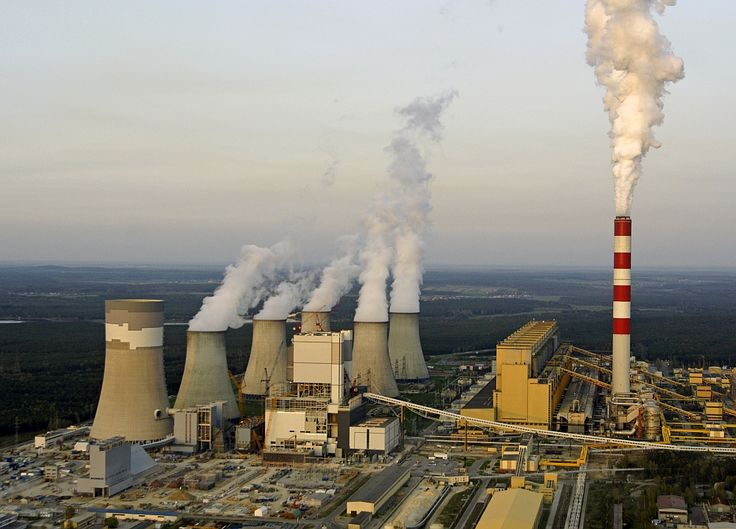
Nigeria’s electricity supply is facing another challenge as unpaid obligations to gas suppliers exceed ₦639bn, raising concerns about the ability of power generators to maintain consistent fuel supplies.
The warning was raised by industry stakeholders at the sixth annual conference of the Power Correspondents Association of Nigeria in Abuja, where they identified mounting debts, inadequate investment in gas production and weak infrastructure as major obstacles to reliable electricity supply.
Bashiru Adoke, General Manager of Gas Commercial at the Nigerian National Petroleum Development Company, said the electricity market owes gas suppliers more than ₦630bn for power already generated and consumed. He explained that gas accounts for between 60 and 75 per cent of electricity generation costs, while payments received by generating companies cover only about 40 per cent of their monthly energy invoices.
This payment gap makes it difficult for generating companies to settle their gas bills, creating financial pressure across the electricity value chain. If suppliers are not paid consistently, their ability or willingness to sustain deliveries to power plants could be affected, putting electricity generation at further risk.
The warning comes amid renewed power supply disruptions across the country. On November 5, the Nigerian Independent System Operator attributed a decline in national grid generation to inadequate gas supply to thermal power stations and reduced water inflows into hydroelectric reservoirs. These constraints contributed to shorter electricity supply hours and increased load shedding.
However, the Nigerian National Petroleum Company Limited said its gas transportation network remained available, stressing that gas production, commercial supply arrangements and actual deliveries to power stations are separate issues that must be examined. This distinction suggests that having an available pipeline network does not automatically guarantee that power plants receive the gas they need.
Adoke also warned that periodic government interventions to settle outstanding debts would not provide a lasting solution if new unpaid obligations continued to accumulate. He noted that while existing interventions address legacy debts covering 2015 to 2025, more recent liabilities are already building up.
He called for a more reliable payment structure and increased investment in non-associated gas, which is produced independently of crude oil. According to him, greater reliance on gas produced alongside crude oil could expose electricity generation to disruptions in oil production.
Beyond gas supply, the Transmission Company of Nigeria also identified inadequate generation as a major constraint, explaining that its network can only transmit the electricity produced by generating stations. The company said it was expanding transmission capacity but faced challenges including right-of-way disputes and vandalism.
The latest warning highlights a deeper problem within Nigeria’s electricity market: improving power supply requires more than generating capacity or expanding transmission lines. Gas producers, generating companies and other market operators must also receive payments that allow them to continue operating.
Without a sustainable payment arrangement and stronger investment in gas production and infrastructure, the financial pressure could continue to undermine electricity generation and make reliable power supply harder to achieve.