
Nigeria Gets Local Issuer for International Renewable Energy Certificates
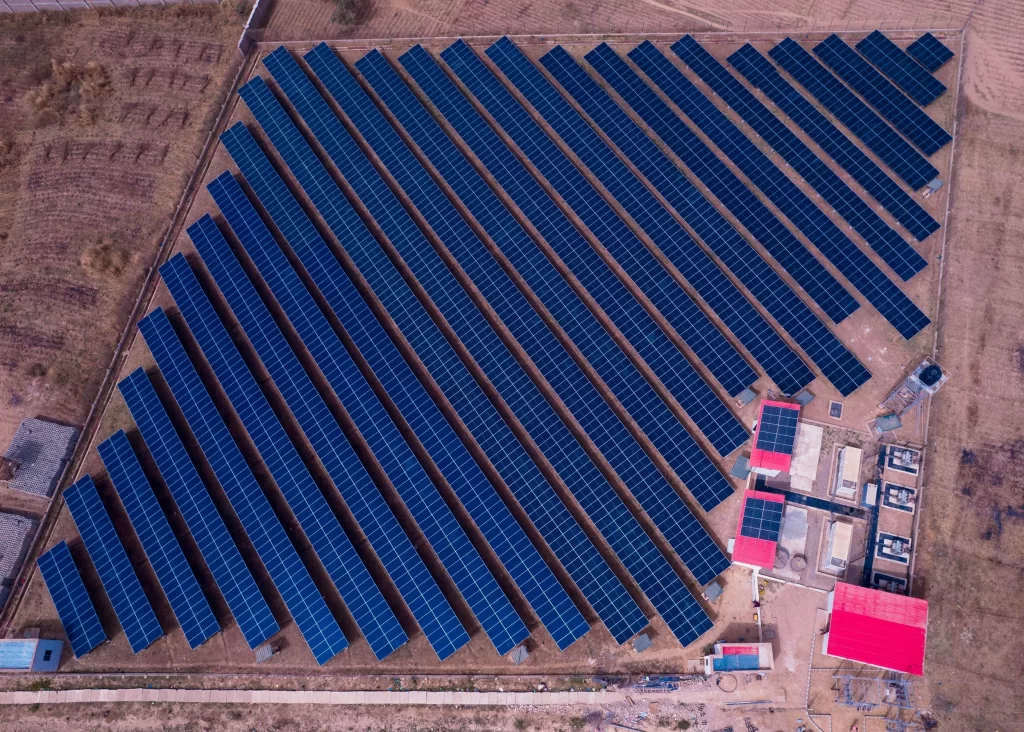
Nigeria has taken a step towards strengthening its renewable energy market following the accreditation of EF Market Solutions Nigeria Limited (EFMS) as a local issuer of internationally recognised renewable energy certificates, replacing a UK-based company that previously handled issuance in the country.
The accreditation was granted by the Netherlands-based I-TRACK Foundation, making EFMS the first Nigerian company authorised to issue International Renewable Energy Certificates (I-REC(E)) in Nigeria. The development is expected to create additional revenue opportunities for local renewable energy operators while strengthening Nigeria’s participation in the international clean energy market.
Under the arrangement, EFMS will issue the certificates through the Lagos Carbon Initiative, an environmental market and climate finance platform being developed in partnership with the Lagos State Government.
International Renewable Energy Certificates provide proof that electricity has been generated from renewable sources. Each certificate represents one megawatt-hour (MWh) of verified renewable electricity and can be purchased by companies seeking to demonstrate their use of clean energy and report associated emissions.
For renewable energy producers, the system offers an additional source of income beyond electricity sales. Owners of eligible solar installations and other renewable energy facilities can register their projects, verify their electricity generation and potentially sell the resulting certificates to international buyers.
According to data from the I-TRACK Foundation cited in the announcement, Nigeria recorded 236 renewable energy certificate issuances between January and September 2026, compared with 218 throughout 2025. Previously, these certificates were issued through the UK-based Green Certificate Company.
EFMS’s accreditation introduces a Nigerian-based issuer into the process, potentially improving local oversight, market participation and access to international buyers. However, the financial benefits for renewable energy operators will depend on project registration, verification, buyer demand and the prices secured for their certificates.
The development also comes as Lagos State works to attract between $14 billion and $33 billion in new power generation investment by 2030, while seeking to expand its decentralised electricity market and reduce dependence on petrol and diesel generators.
For Nigeria’s renewable energy sector, the introduction of a local certificate issuer could strengthen the commercial value of clean electricity generation. Beyond expanding renewable energy capacity, it creates another pathway through which solar and other clean energy projects can attract investment and generate additional income.