
FG, Lagos Set Up Committees to Improve Power Supply
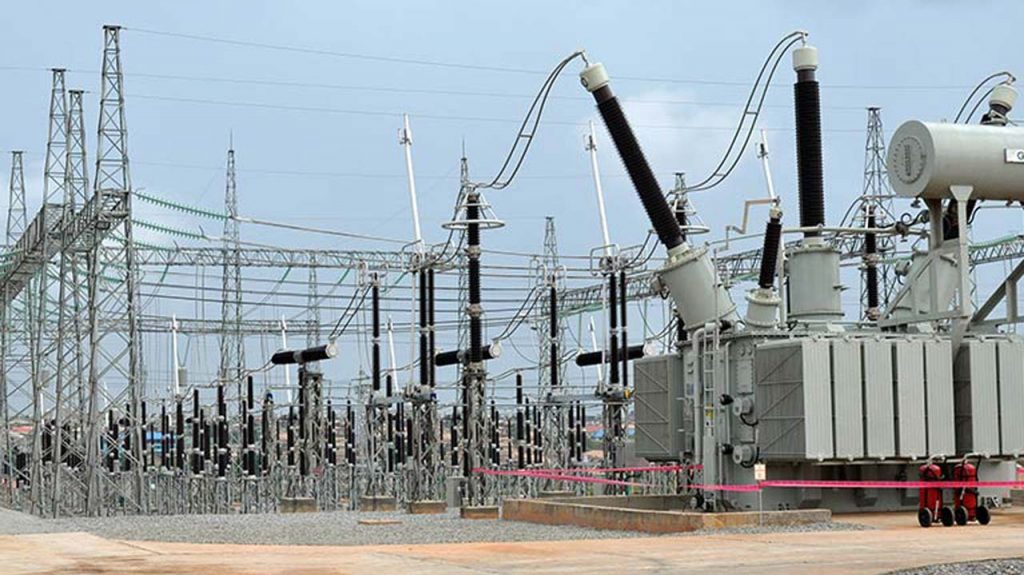
The Federal Government and the Lagos State Government have established joint committees to address electricity supply challenges and work towards achieving 24-hour power supply in Lagos. The state will serve as a pilot for wider power sector interventions.
The announcement was made at the Ministerial Implementation Retreat on the Clean Lagos Electricity Market, held at Lagos House, Marina. Minister of Power Joseph Tegbe said the priority was to move beyond discussions and begin implementing practical measures that could improve electricity supply to consumers.
Lagos is being prioritised because it accounts for between 40 and 50 per cent of Nigeria’s electricity demand, making reliable power supply in the state important to economic activity and businesses.
Two committees have been established to coordinate the intervention. The Joint Technical Working Committee includes representatives from the Transmission Company of Nigeria, Rural Electrification Agency, Nigerian Electricity Regulatory Commission, Federal Ministry of Power, Lagos Independent System Operator and Lagos State Electricity Regulatory Commission. It will focus on the technical, regulatory and operational challenges affecting electricity supply.
A separate Steering Committee will supervise implementation. It will be chaired by Lagos State Governor Babajide Sanwo-Olu, with Tegbe serving as co-chairman. Other members include the Special Adviser to the President on Power, the Permanent Secretary of the Federal Ministry of Power and Lagos State Commissioner for Energy, Biodun Ogunleye.
The initiative builds on Lagos State’s efforts to develop a more decentralised electricity market under the Lagos State Electricity Law 2024, which provides a framework for state-level regulation of electricity generation, distribution, supply, transmission, system operation and trading.
The state has also signed power purchase agreements with private power companies to improve electricity supply to critical infrastructure and other areas. These efforts are intended to strengthen locally available power and address weaknesses in existing supply arrangements.
According to Tegbe, some interventions are expected to deliver immediate improvements, while others will require more time to implement. The government plans to use the Lagos experience as a model for other major economic corridors, including Abuja-Kaduna-Kano and Enugu-Port Harcourt.
However, the success of the initiative will depend on how quickly the committees translate their plans into practical results. Improved electricity generation, stronger distribution networks and more reliable delivery to consumers will be important measures of progress.