
Rising Fuel Prices are Pushing Nigerians Towards Electric Motorcycles
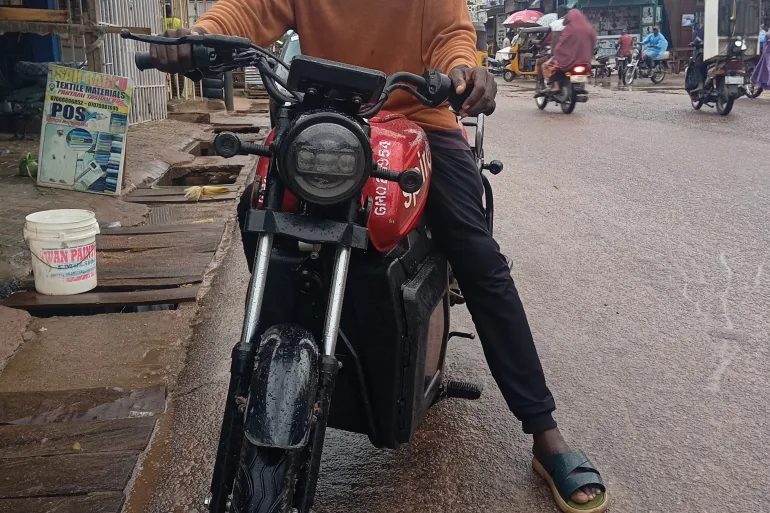
Electric motorcycles are gradually becoming more visible on the streets of Gombe as riders look for alternatives to increasingly expensive petrol.
According to a recent Al Jazeera report, “Petrol in Gombe now sells for about ₦1,365 per litre, compared with roughly ₦200 before the removal of Nigeria’s petrol subsidy in 2023“.
For some riders, switching to electric motorcycles is already translating into lower running costs. One rider, Ayuba Abubakar, estimates that his electric bike saves him around ₦5,000 a week in fuel expenses. Other riders also point to reduced maintenance costs, including no need for engine oil.
However, with electric motorcycles costing around ₦1 million, affordability remains a major barrier to wider adoption.
Nigeria’s electric mobility transition may not be starting with climate policy. It may be starting with economics.
As the cost of running petrol-powered vehicles rises, cheaper alternatives become more attractive.
But electric mobility is not just about the vehicle. It depends on the availability of reliable and affordable electricity to keep those vehicles moving.
This creates a bigger opportunity for clean-energy infrastructure.
Solar-powered charging points and battery-swap stations could help support electric motorcycles while reducing dependence on petrol and diesel generators.
For Nigeria, the future of electric mobility may therefore depend not only on how quickly we adopt EVs, but on how sustainably we power them.
The transition is already beginning. The question is: Are we ready to power it?