
Electricity Bills to Rise, as FG Proposes End of Subsidy
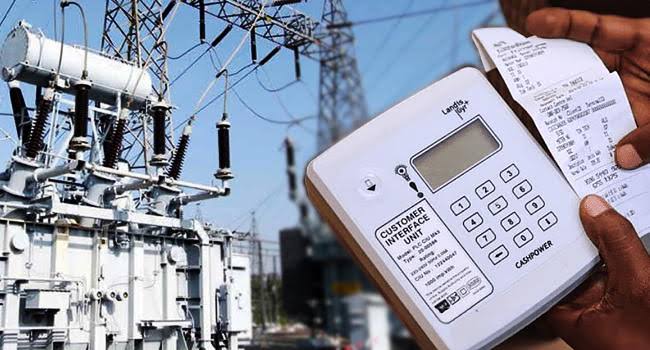
The cost of electricity in Nigeria is about to rise, as the Federal Government has reiterated its plans to phase out subsidies and transition to cost-reflective tariffs across the power sector.
The Special Adviser to the President on Power Infrastructure, Sadiq Wanka, disclosed this in Lagos on Wednesday at Asharami Square 3.0, while speaking at a Sahara Group initiative promoting sustainability through effective media advocacy, themed “Energising Africa’s Future: Legacy, Impact, and Transformation.”
Wanka, who described cost-reflective tariffs as one of the most difficult conversations in Nigeria’s electricity market, said poor and vulnerable Nigerians would be protected as part of the reforms.
“There’s a conversation also around cost-reflective tariffs. Again, probably the most frustrating topic when you talk to investors and when you talk to market participants. But I think, for me, I see it as a journey, and it’s a journey that was started. It started with the move for Band A to cost-reflectivity.
“And it’s been difficult to move the rest of the sector to cost-reflective tariffs without necessarily ensuring that we have all the backstops for some of the vulnerable households. But that is official government policy now; it would happen. So it’s just a question of timing.
“It’s official government policy that there would be a transition to cost-reflective tariffs across the board with protections for vulnerable households. So I believe that’s something that should happen probably in the next year or so,” he said.
Wanka added that the nation’s electricity sector remained significantly behind many emerging economies despite recent reforms.
“When you look at the electricity situation in Nigeria, we often start talking about access and energy poverty, and Nigeria is really lagging in terms of whether you’re looking at per capita consumption of electricity or whether you’re looking at the stock of infrastructure that we have.
“Compared to many of the developing countries that we like to compare ourselves to, whether it’s India or South Africa, we’re still significantly behind,” he stated.