
Automobile Firms Partner To Manufacture 70,000 EVs Annually
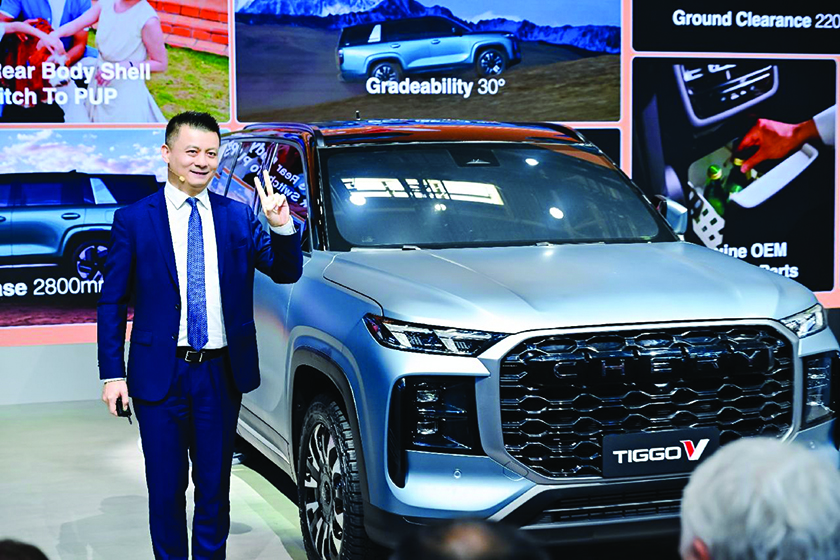
Two automobile firms, Hybrid Motors Nigeria and Shanghai-based, have signed a strategic partnership agreement to establish electric vehicle (EV) manufacturing plants in Lagos and Abuja. These plants are projected to produce 70,000 vehicles annually.
The agreement, signed in Shanghai, China, on May 8, 2026, will support the production of “Acely,” Hybrid Motors Nigeria’s indigenous automobile brand designed for Nigerian roads and driving conditions.
The partnership combines Hybrid Motors Nigeria’s local market knowledge and Launch Design’s automotive engineering expertise.
Chief Executive Officer of Hybrid Motors Nigeria, Jubril Arogundade, who spoke at the signing ceremony, said, “This partnership is more than a business agreement. It is a commitment to building Nigeria’s automotive future.
“With Acely, we are proving that world-class vehicles can be conceived, designed and assembled in Nigeria by Nigerians for Nigerians.
“Our collaboration with Launch Design brings global engineering expertise directly into our operations, ensuring that Acely meets international standards while remaining proudly Nigerian.”
Chief Executive Officer of Launch Design, Wang Xun, described the partnership as a major opportunity to contribute to Africa’s automotive manufacturing ecosystem.
“Launch Design is proud to partner with Hybrid Motors Nigeria in this transformative venture,” he said.
“Our turnkey engineering capabilities, combined with Hybrid Motors’ understanding of the Nigerian market, create a powerful formula for success. Together, we are not just building vehicles, we are helping to build an industry.”
Under the agreement, the two firms will establish manufacturing plants in Lagos and Abuja.
The Lagos plant, located along the Lekki-Epe axis, will serve as the primary production and assembly hub with an annual capacity of 50,000 units. Its location near the Lekki Deep Sea Port is expected to support export operations to regional markets such as Ghana, Benin, Togo and Côte d’Ivoire.
The Abuja facility, situated within the Free Zone Business Area of Centenary Economic City, will function as a secondary manufacturing and technology centre with an annual production target of 20,000 units, serving Northern Nigeria and neighbouring Sahel markets.
According to both companies, the dual-facility structure is expected to reduce logistics costs, improve efficiency and create jobs across multiple regions.